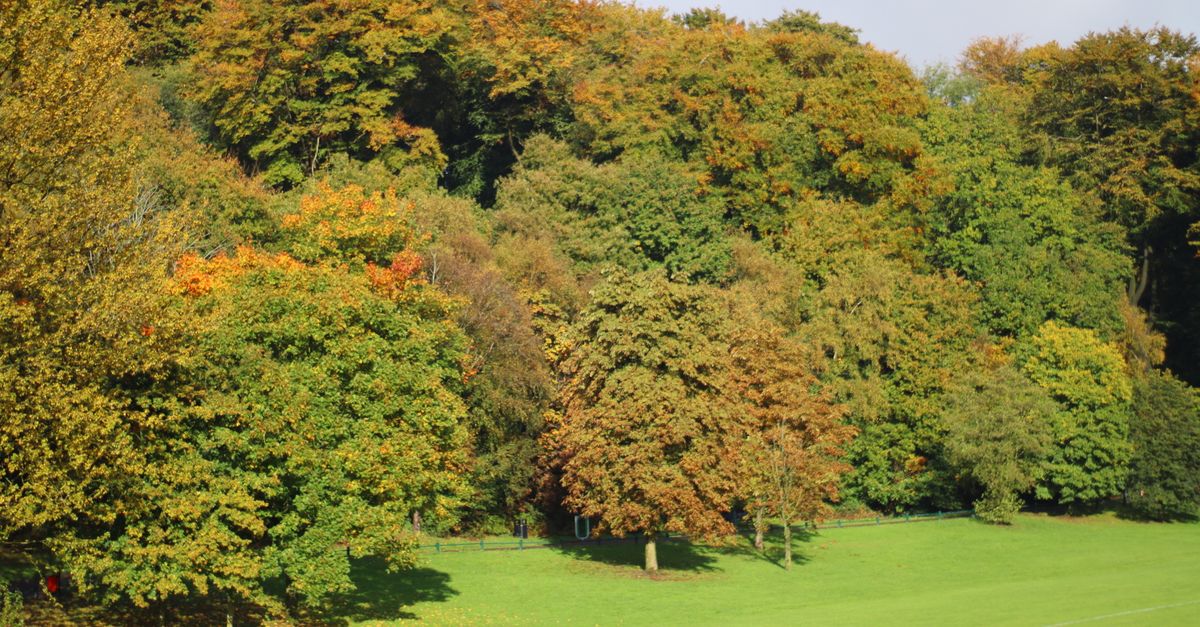
Dyrham Park, a National Trust deer park and 17th-century house about 8 miles north of Bath, costs around £10.80 for an adult standard ticket to the house, park and garden (£11.90 with Gift Aid), plus £4 a day for parking if you're not a member. It's roughly a 20-minute drive from Bath, with no direct convenient public transport, so this one is really a car-owner's day trip.
What's actually there
Dyrham Park is a genuine country estate: a Baroque house built in the 1690s, set in 270 acres of ancient deer park where fallow deer still roam freely, plus a walled garden being restored to its historic layout. It's quieter and less crowded than the bigger-name Bath day trips, which is part of the appeal if you want a slower, greener half-day rather than another town centre.
Prices and what's included
| Ticket | Price |
|---|---|
| Adult, standard | ~£10.80 |
| Adult, with Gift Aid | ~£11.90 |
| Child | ~£5.60 (£6.20 with Gift Aid) |
| Family | ~£27.00 (£29.70 with Gift Aid) |
| Parking (non-members) | £4 per day |
National Trust members get in free, as always, and parking is also free for members. Note that a temporary UK VAT reduction on visitor attractions was running from 25 June to 1 September 2026, so the price you're actually charged at the till this summer may come in slightly below the standard advertised figure, check the National Trust's own Dyrham Park page for the exact current price before you go, since it can shift with offers and the time of year.
Getting there
Dyrham Park sits just off the A46, about 8 miles north of Bath and roughly 12 miles east of Bristol via the M4, which makes it a genuinely convenient stop if you're driving between the two cities or coming from further up the M4 corridor. There is no practical public transport route for a same-day visit, so plan on driving or joining an organised tour if you don't have a car.
How much time to allow
Most visitors spend two to three hours: enough for a walk through the house, a loop of part of the deer park, and a browse of the garden and shop. If you want to properly walk the wider parkland as well, allow closer to half a day. Last entry is typically an hour before closing, and closing times shift with the season (later in summer, as early as mid-afternoon in winter), so check the current opening hours for your visit date rather than assuming a fixed time year-round.
What to actually do while you're there
The house itself is a fairly compact Baroque property, so most of a Dyrham Park visit is really about the grounds. The deer park is the main draw: 270 acres of parkland where fallow deer have roamed for centuries, with paths winding down through the valley and views back up to the house from lower down. The walled garden, being gradually restored to a planting scheme closer to its historic layout, is smaller and more contained, a good option if you're short on time or the weather turns. There's a cafe and shop near the entrance for a break partway through.
Is it worth it compared to Bath's other day trips
Dyrham Park suits a different mood than most of Bath's popular day trips. Where somewhere like Castle Combe or Lacock gives you a village and film-location walk, Dyrham is more about the house, the deer park and open space, closer to a National Trust day out than a town visit. If you already have a car booked for the day, it's an easy add-on to a wider loop, but it doesn't work as a car-free half-day the way Bradford on Avon or Frome do.
When to visit
Spring and early summer are the best time to catch the deer park at its greenest, with fallow deer more visible grazing the open slopes below the house. Autumn brings good colour through the parkland trees, and it's noticeably quieter than summer weekends. Winter opening hours are shorter and last entry comes earlier in the afternoon, so check the current times before you set off if you're visiting between November and February, rather than assuming the summer schedule still applies.