The three things most people come to Bath for are the Roman Baths (from about £27.50, a museum you view), Thermae Bath Spa (from about £42.50, where you actually bathe) and the Georgian architecture of the Royal Crescent and the Circus, which costs nothing to walk around. Add Pulteney Bridge and the free Skyline walk and you have a full, mostly cheap couple of days. Here's the honest shortlist.
Bath is small and walkable, so you can string most of this together on foot. We've split it by what it costs, because half the best of Bath is free.
The paid headliners
The Roman Baths. The 2,000-year-old baths and museum around the steaming Great Bath, with a good free audio guide. Adult tickets from about £27.50 online off-peak; allow two hours and book a morning slot. You can't bathe here. Full details in our Roman Baths guide.
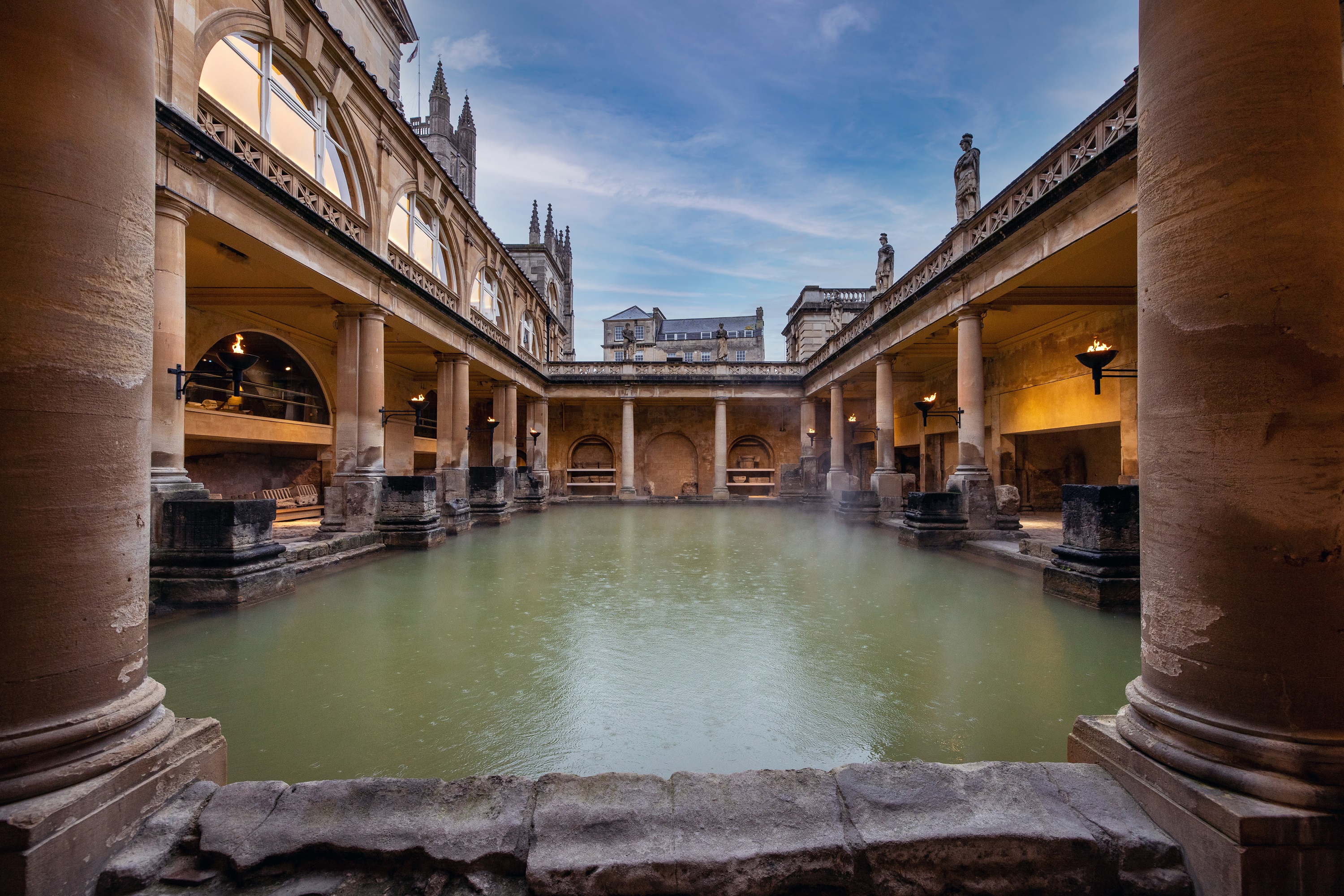
Photo: romanbaths.co.uk
Thermae Bath Spa. Where you do bathe, in naturally warm mineral water, finishing on the open-air rooftop pool overlooking the city. A two-hour session is from about £42.50 on a weekday, £47.50 at weekends, robe and towel included. Book an early or twilight slot to dodge the midday crowd.
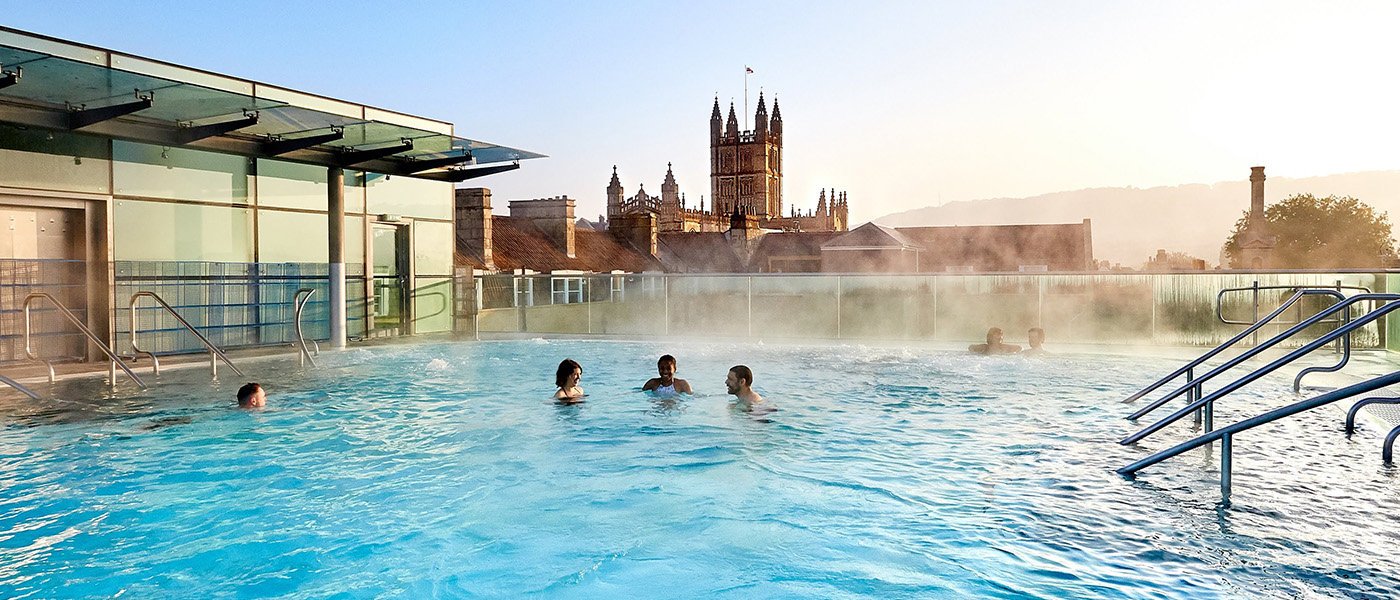
Photo: thermaebathspa.com
No.1 Royal Crescent. A Georgian townhouse restored and furnished as it would have been in the 1770s, at the end of the famous curve. Paid entry; allow an hour. The best way to see inside Bath's most photographed building.

Photo: Wikimedia Commons
The free set pieces
The Royal Crescent and the Circus. Thirty houses in one unbroken curve from 1774, and the ring of townhouses just up the hill. Free to walk around, and the lawn in front of the Crescent is a fine spot to sit. This is Bath at its most Georgian.

Photo: Wikimedia Commons
Pulteney Bridge and the weir. One of only a handful of bridges in the world with shops built along both sides, above the horseshoe weir on the Avon. Free, central and best in late-afternoon light.

Photo: Wikimedia Commons
Bath Abbey. The great Perpendicular Gothic church in the heart of town, entry by donation for the main church. If the tower tour is running, it's the best view in the centre for the money.
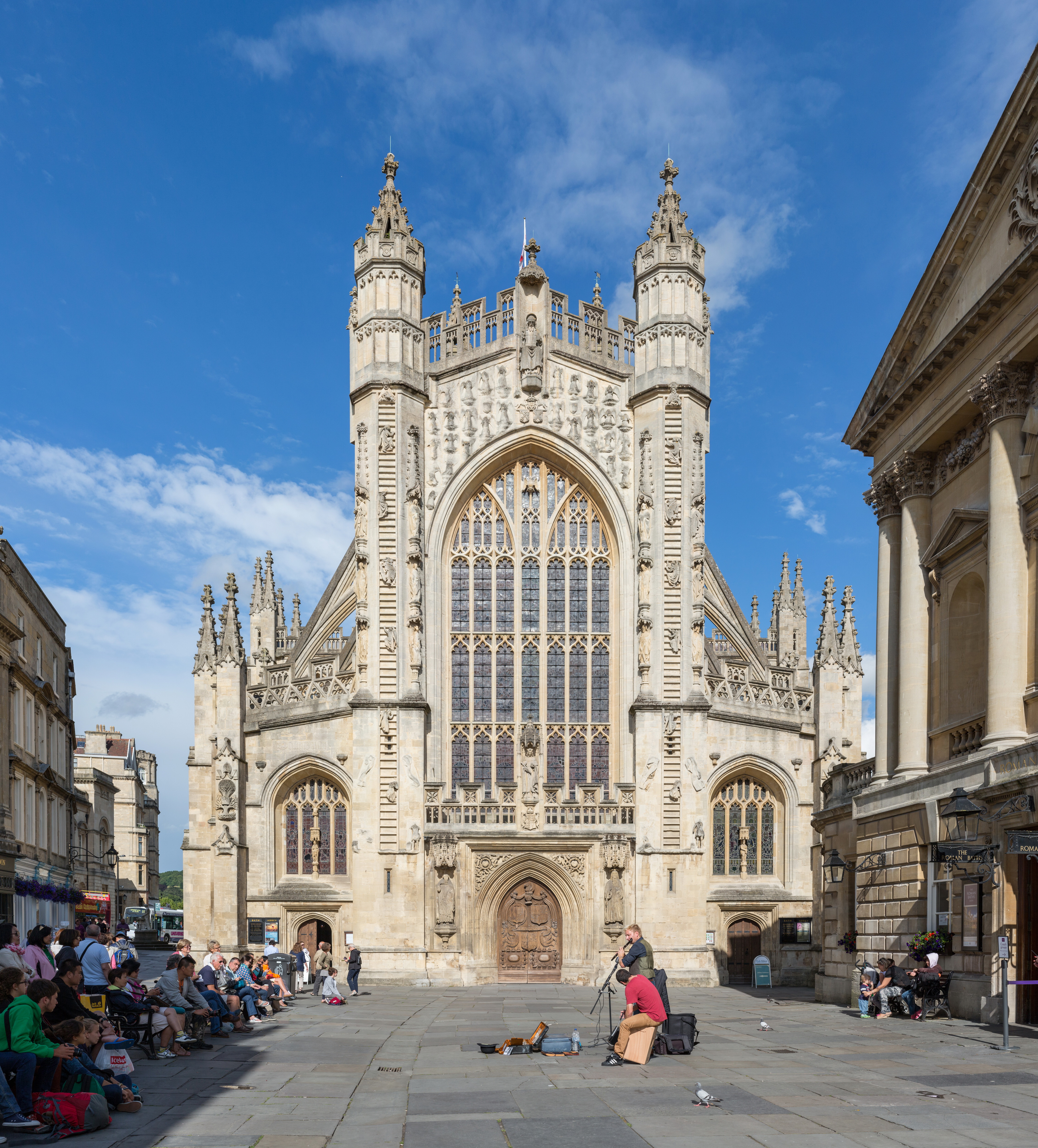
Photo: Wikimedia Commons
The Bath Skyline. A six-mile National Trust walk through meadows and woodland on the hills above the city, with the panoramas the postcards use. Free, well signed, two to three hours. Wear proper shoes; the woods hold mud after rain.

Photo: Wikimedia Commons
Victoria Art Gallery and the city's small museums. The Victoria Art Gallery by Pulteney Bridge has free permanent collections. Bath rewards a slow wander: the independent shops of Walcot Street, the Saturday markets and the riverside all cost nothing.
For a specific mood
- Literary Bath: the Jane Austen Centre (paid) for fans, or simply walk the streets and crescents she knew.
- Landscape and quiet: Prior Park Landscape Garden (National Trust, paid entry, free for members) with its Palladian bridge, or Alexandra Park above the city for the classic rooftops-and-Abbey view, which is free.
- A proper Bath bun: Sally Lunn's for the tourist classic, or the independents around Kingsmead Square if you'd rather eat where locals do.
If you want to be active
Bath isn't only sightseeing. Public tennis courts start at £6 an hour (see tennis in Bath), and there's a cheap round of golf to be had in Royal Victoria Park (see golf in and around Bath) plus 18 holes of adventure golf in the same park. For padel and karting, the nearest courts and tracks are just outside the city; our guides to padel near Bath and karting and paintball near Bath cover the honest drive-time comparisons. And if you fancy a swim, Cleveland Pools and where you can actually swim explains your real options.
Getting around and out
Everything above is walkable from the Abbey. If you're driving in, don't aim for the centre; use a Park and Ride, and note that Bath's Clean Air Zone doesn't charge private cars. When you've done the city, Bath is a strong base for day trips to Stonehenge, the Cotswolds and Wells.
The honest alternative
You can have an excellent day in Bath and pay for almost nothing. The Royal Crescent, the Circus, Pulteney Bridge, the Abbey (by donation) and the Skyline walk are all free, and the views from Alexandra Park cost nothing. Save your budget for the one paid thing you most want, the Roman Baths for the history or Thermae for the soak, and let the free half of Bath carry the rest of the day.
FAQs
What are the best things to do in Bath?
The Roman Baths and Thermae Bath Spa are the two big paid attractions, and the Royal Crescent, the Circus, Pulteney Bridge, Bath Abbey and the Skyline walk are the best free ones. Most visitors combine one or two paid sights with a walk around the free Georgian set pieces.
What can you do in Bath for free?
Plenty. Walk the Royal Crescent and the Circus, cross Pulteney Bridge and see the weir, visit Bath Abbey (by donation), do the six-mile National Trust Skyline walk, and take in the rooftop view from Alexandra Park. The Victoria Art Gallery's permanent collection is also free.
Is the Roman Baths or Thermae Bath Spa better?
They're different. The Roman Baths is a historic museum you look around (from about £27.50); Thermae Bath Spa is where you actually bathe in the thermal water (from about £42.50). Many people do both, the Baths for the history and the spa to soak.
How many days do you need in Bath?
Two days comfortably covers the main sights on foot. One full day is enough for the Roman Baths, the Abbey and the Georgian crescents if you're brisk. A third day is worth it only if you want day trips to Stonehenge or the Cotswolds.