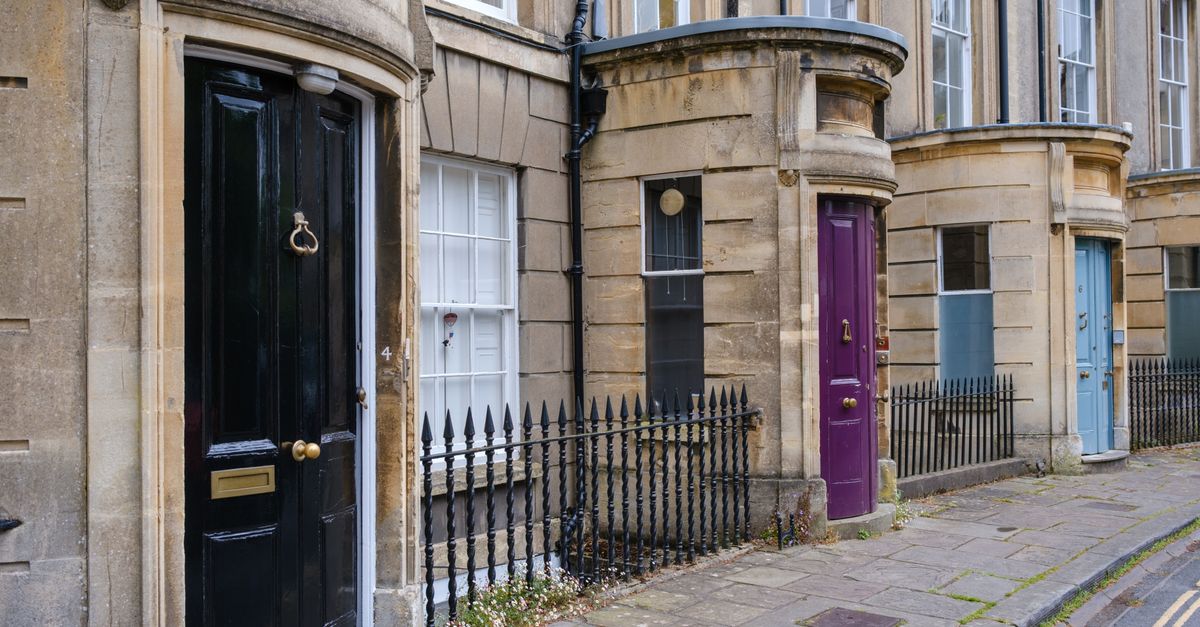
Bath is one of the easiest UK cities to see without a car. Most of the big sights, the Abbey, the Roman Baths, Pulteney Bridge and the main shopping streets, sit within a ten minute walk of each other in the compact Georgian centre, and the walk in from Bath Spa station takes most people well under fifteen minutes. Buses fill in the gaps for the Royal Crescent's neighbourhood, the hills around the city, and anywhere your legs have had enough, and a flat, mostly traffic-free cycle path runs right into town from the west.
Walking
Bath rewards walking more than almost any other way of getting around. The historic core is small, largely flat where the sights are clustered, and built for pedestrians long before cars existed, so pavements and pedestrianised streets link most attractions directly. From Bath Spa station, walking straight up Manvers Street brings you to the Abbey and Roman Baths in under ten minutes, and the same walk continues naturally into the shopping streets around SouthGate and Union Street.
The one thing to know before you set off: Bath sits in a bowl, and while the centre itself is flat, several well-loved spots sit on the surrounding slopes. The Royal Crescent and the Georgian terraces above it involve a steady uphill walk from the centre, and the Skyline area to the east climbs more steeply still. None of it is difficult for an able-bodied adult with normal fitness, but it is worth knowing if you're pushing a buggy, managing a wheelchair, or just not in the mood for hills after a day of sightseeing. If you want a proper walking route that takes in the high ground and the views, our Bath skyline walk guide covers that route in detail, and our one day in Bath itinerary is built around a walkable loop through the centre.
Buses
For anything outside comfortable walking distance, First Bus runs the local network across Bath and connects into Bristol and the wider West of England area. You pay either with a contactless card or phone using their tap on, tap off system, tapping when you board and again when you leave, and the system automatically works out the cheapest fare for your journeys and caps it at the price of a day ticket. As of early 2026, single adult fares are capped at £3, and a day ticket for the Bath and Bristol zone costs £6.80, though fares do get revised from time to time so it's worth checking First Bus's own site for the current price before you travel. Paper tickets and exact change are also accepted on board if you'd rather not use a card.
Buses are most useful for reaching things a bit further out, the university campuses, outlying neighbourhoods, or simply getting back to your accommodation after a long day when the hills have won. Within the historic centre itself, most visitors find walking is just as quick once you account for waiting and short journey times.
Cycling
Bath connects to a genuinely good piece of cycling infrastructure. National Cycle Route 4 runs into the city partly along the old Bristol and Bath Railway Path, a flat, traffic-free, tarmacked route built by the cycling charity Sustrans that links Bath to Bristol along a former railway line. To the east of the city, the same route picks up the Kennet and Avon Canal towpath, giving you miles of flat, largely traffic-free riding in either direction. Within the city itself, a scattering of local operators offer bike and e-bike hire if you haven't brought your own, which is worth considering given the same hills that catch out walkers apply to cyclists too, an e-bike takes the sting out of the climb up towards the Crescent or the Skyline. Cycling into the pedestrianised heart of the centre isn't really practical or necessary once you're there; most people cycle to the edge of the old town and walk the last stretch.
A note on Park and Ride
If you're driving into Bath rather than arriving car-free, the city's three Park and Ride sites (Lansdown to the north, Newbridge to the west, and Odd Down to the south) are the easiest way to avoid hunting for a space in the centre, with frequent buses running the last stretch into town in around ten minutes. We've covered fares, group tickets and free same-day parking in full in our Park and Ride guide, and general parking options in the city in our parking guide. Worth knowing too, Bath's Clean Air Zone doesn't charge private cars anything, only certain commercial vehicles, so a private car driving in and parking at a Park and Ride site won't incur a charge on that front.
Typical walking times from Bath Spa station
| Destination | Approx. walk time |
|---|---|
| Bath Abbey / Roman Baths | 5-10 minutes |
| SouthGate shopping centre | 5 minutes |
| Pulteney Bridge | 8-10 minutes |
| Royal Crescent | 15-20 minutes |
| Royal Victoria Park | 15-20 minutes |
These are relaxed walking-pace estimates on flat, direct routes. Add extra time if you're stopping to look at things along the way, which in Bath is more or less guaranteed.
Frequently asked questions
Do I need a car to see Bath's main sights?
No. The Abbey, Roman Baths, Pulteney Bridge, the main shopping streets and most restaurants sit within a ten to fifteen minute walk of each other and of the train station. A car adds parking hassle without saving much time in the centre.
How much does the bus cost in Bath?
As of early 2026, First Bus caps adult single fares at £3 and a day ticket for the Bath and Bristol zone at £6.80 when you tap a contactless card or phone. Fares are reviewed periodically, so check First Bus's website for the current price before you travel.
Is Bath walkable if I have a buggy or mobility difficulties?
The historic centre itself is largely flat and pedestrian-friendly. The main complication is that some popular spots, notably the Royal Crescent area and the Skyline to the east, sit on genuinely steep ground, so plan routes with that in mind or use the bus for the uphill stretches.
Can I cycle into central Bath?
Yes, via National Cycle Route 4, which uses the flat, traffic-free Bristol and Bath Railway Path from the west and the Kennet and Avon Canal towpath from the east. The pedestrianised centre itself is best covered on foot once you arrive, and local operators in the city offer bike and e-bike hire if you need one.
Do I still need Park and Ride if I'm not driving?
No, Park and Ride is only relevant if you're arriving by car. If you're already car-free, walking, the bus network and cycling cover everything you need within the city.
What if I need a taxi late at night or with heavy luggage?
Taxis are a sensible option after dark, with luggage, or once the hills have worn you out. Bath has ranks and local operators including Tick Taxi, which is run by the same team behind WeKnowBath; whichever operator you use, it's worth having a couple of options saved, since availability varies at peak times like weekend evenings.